Design Maturity at Scale
Building design capabilities at Guatemala’s largest financial institution
Banco Industrial Guatemala 2020 - 2025
In 2020, Banco Industrial had recognized design as a strategic differentiator for digital transformation, but lacked the systematic approach it needed to scale user-centered practices across their product teams in 3 countries. Design work was fragmented—mostly aesthetic applications applied inconsistently by individual designers without structured processes. The cultural challenge was equally significant: designers functioned as order-takers rather than strategic contributors, with limited agency to propose or justify user-centered decisions, and design was seen as the last stage to make all the business requirements look pretty.
The business challenge was clear: to provide a unified and coherent experience across all digital banking platforms and touchpoints while improving time-to-market for innovative functionalities, but beyond occasional NPS scores, there was no systematic measurement of user perspective or design impact. A comprehensive design maturity strategy was needed to transform isolated design activities into an integrated organizational capability.

Context
Approach
Research
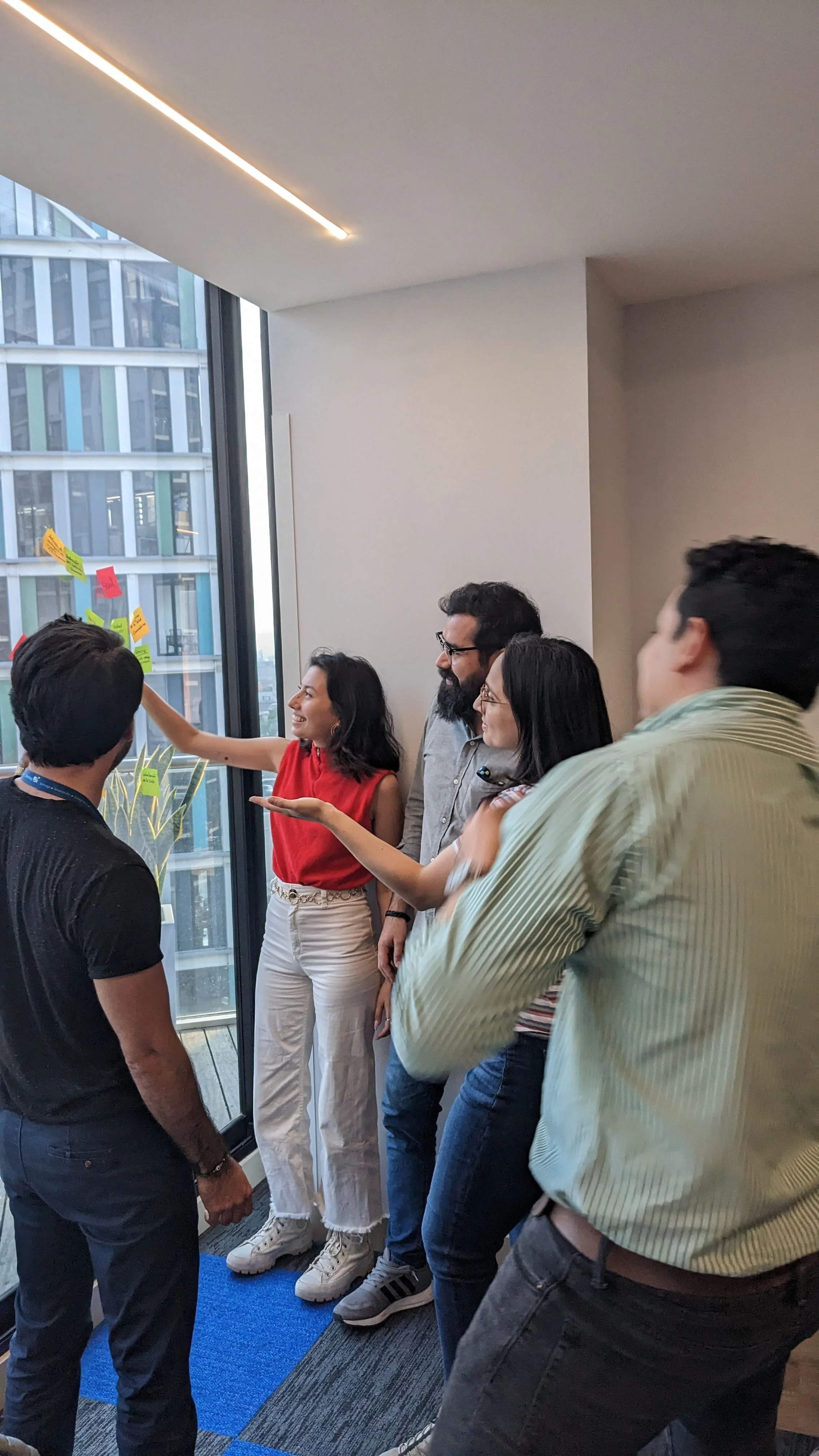
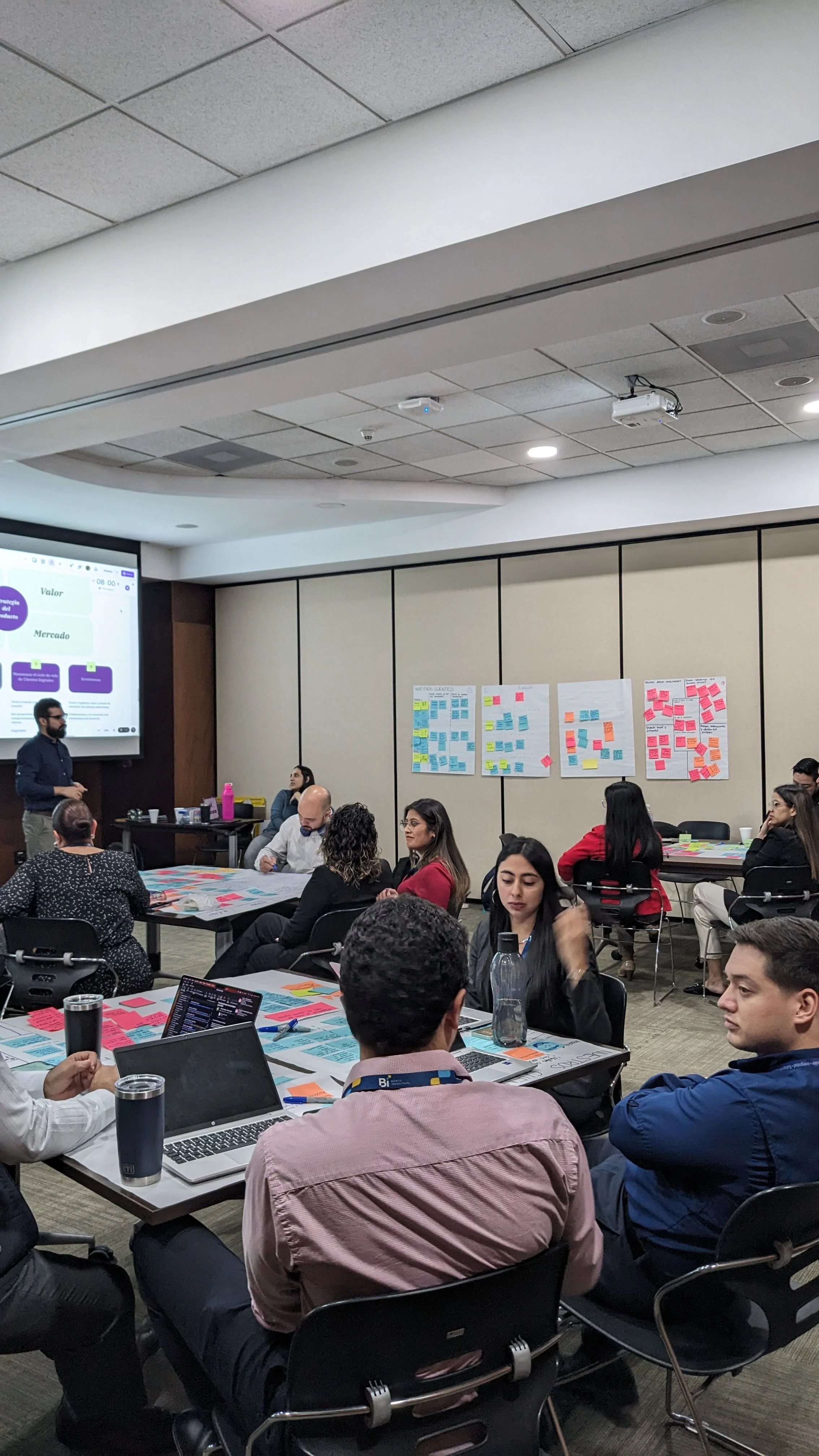
Conducted organizational assessment through interviews with leaders across digital transformation, project management, and channel teams, plus embedded observation within existing product teams to understand current processes, language, and collaboration patterns
Collaborative resources
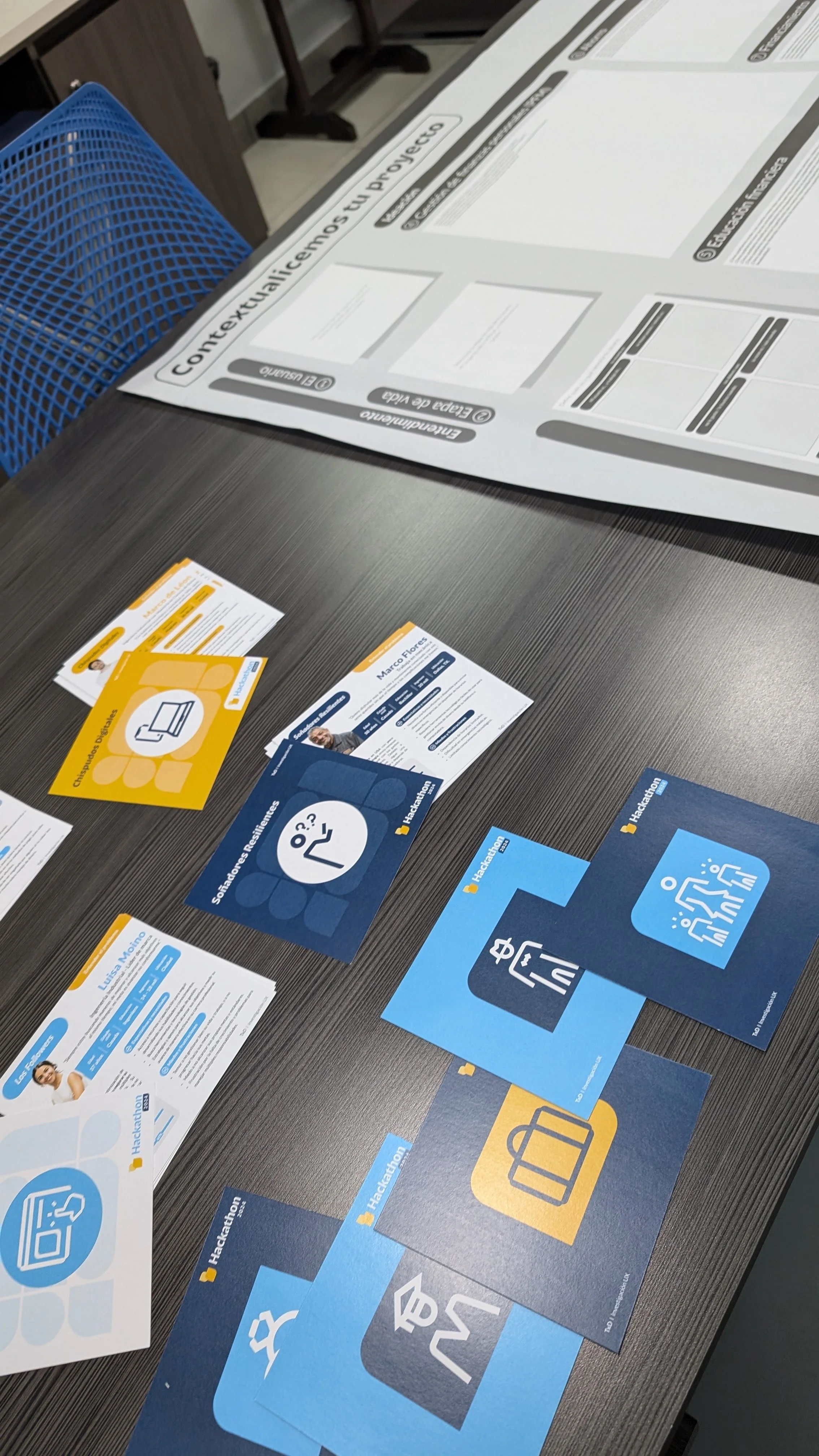
Designed interconnected knowledge systems including comprehensive methodology toolkit, research repository, assessment frameworks, and operational guidelines to democratize design insights and scale decision-making capabilities
Design team culture
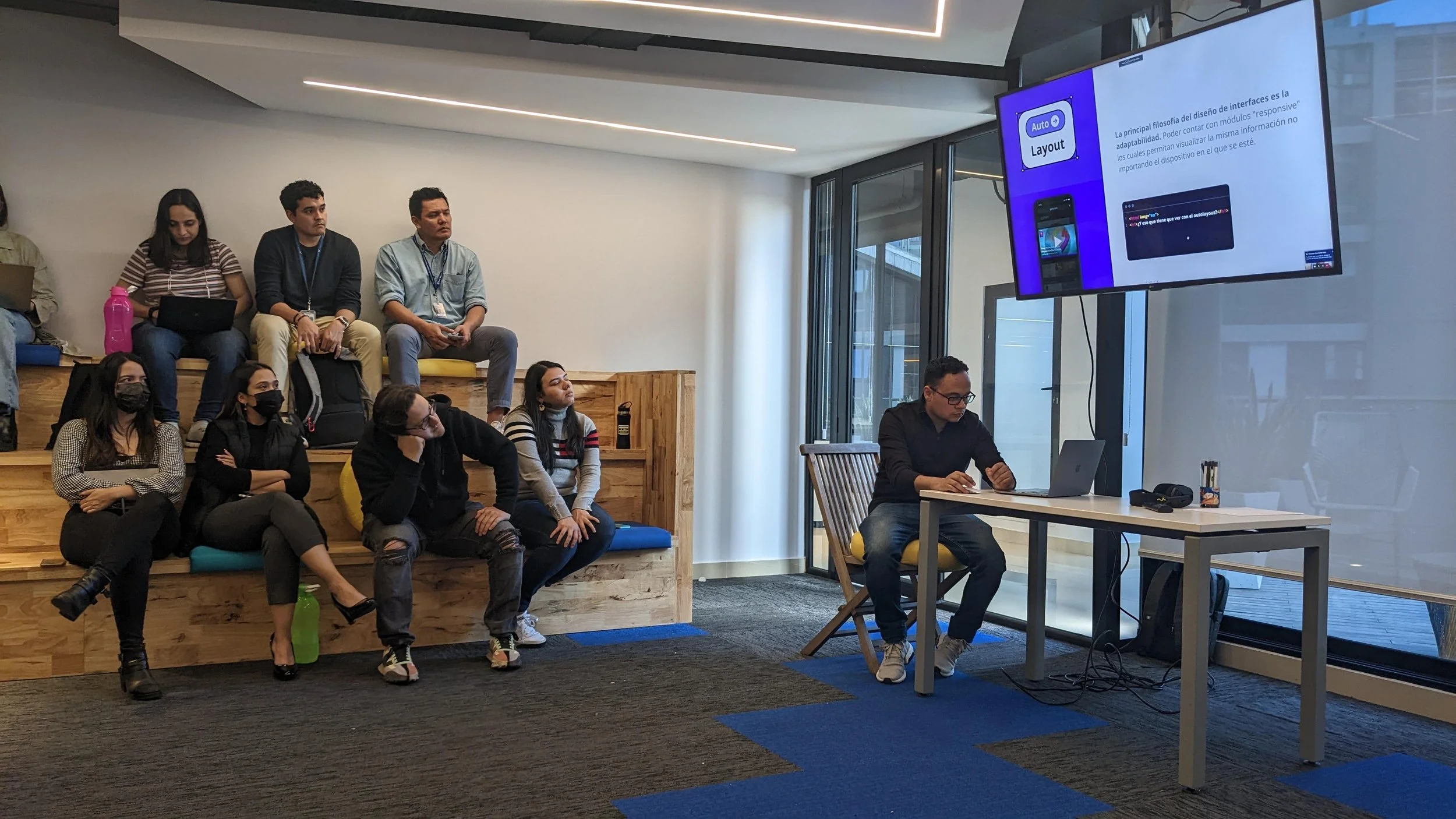
Implemented scalable education infrastructure through custom courses, peer assessment systems, and coaching programs that extended design thinking beyond the design team to cross-functional collaborators
Co designed
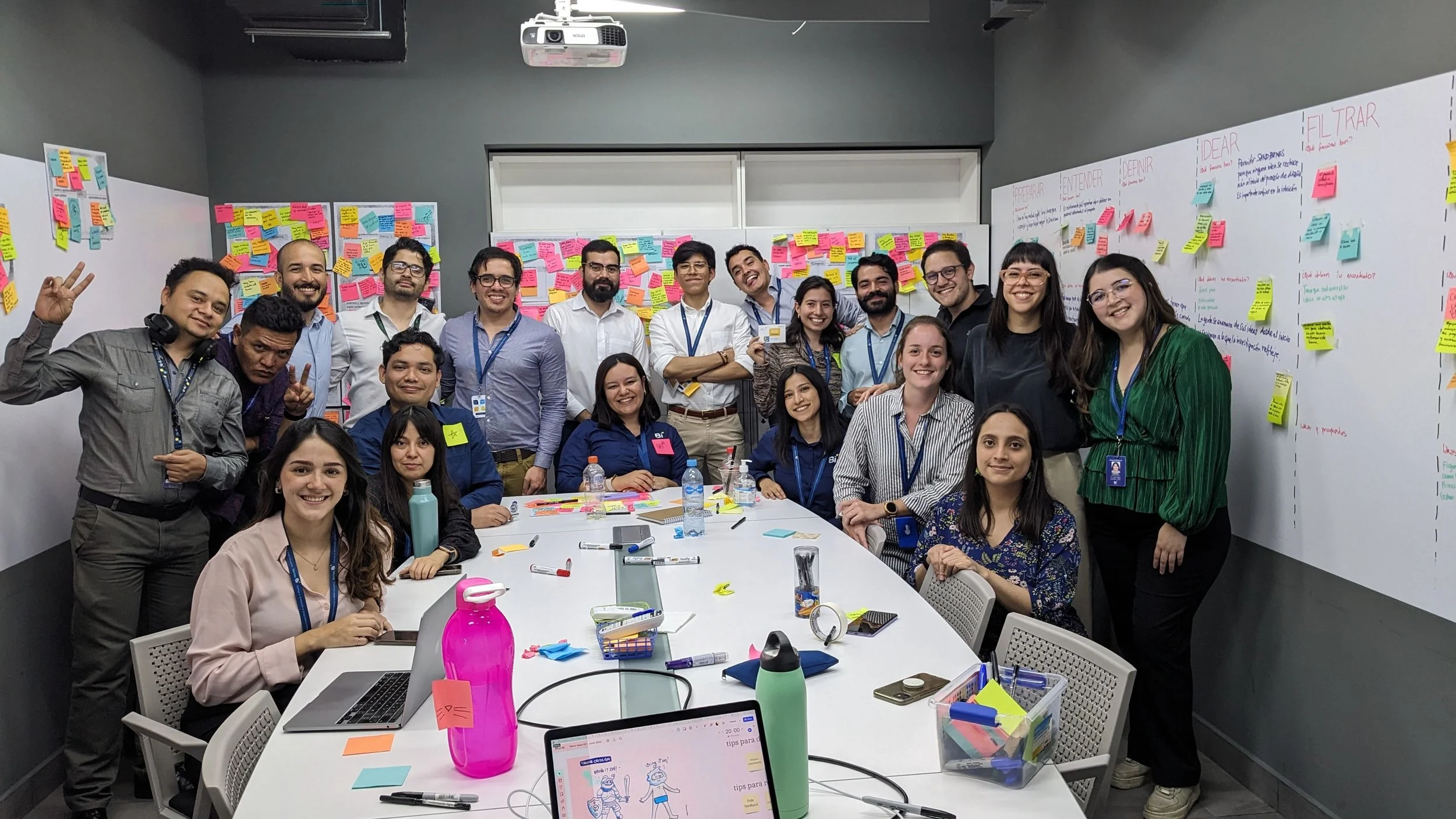
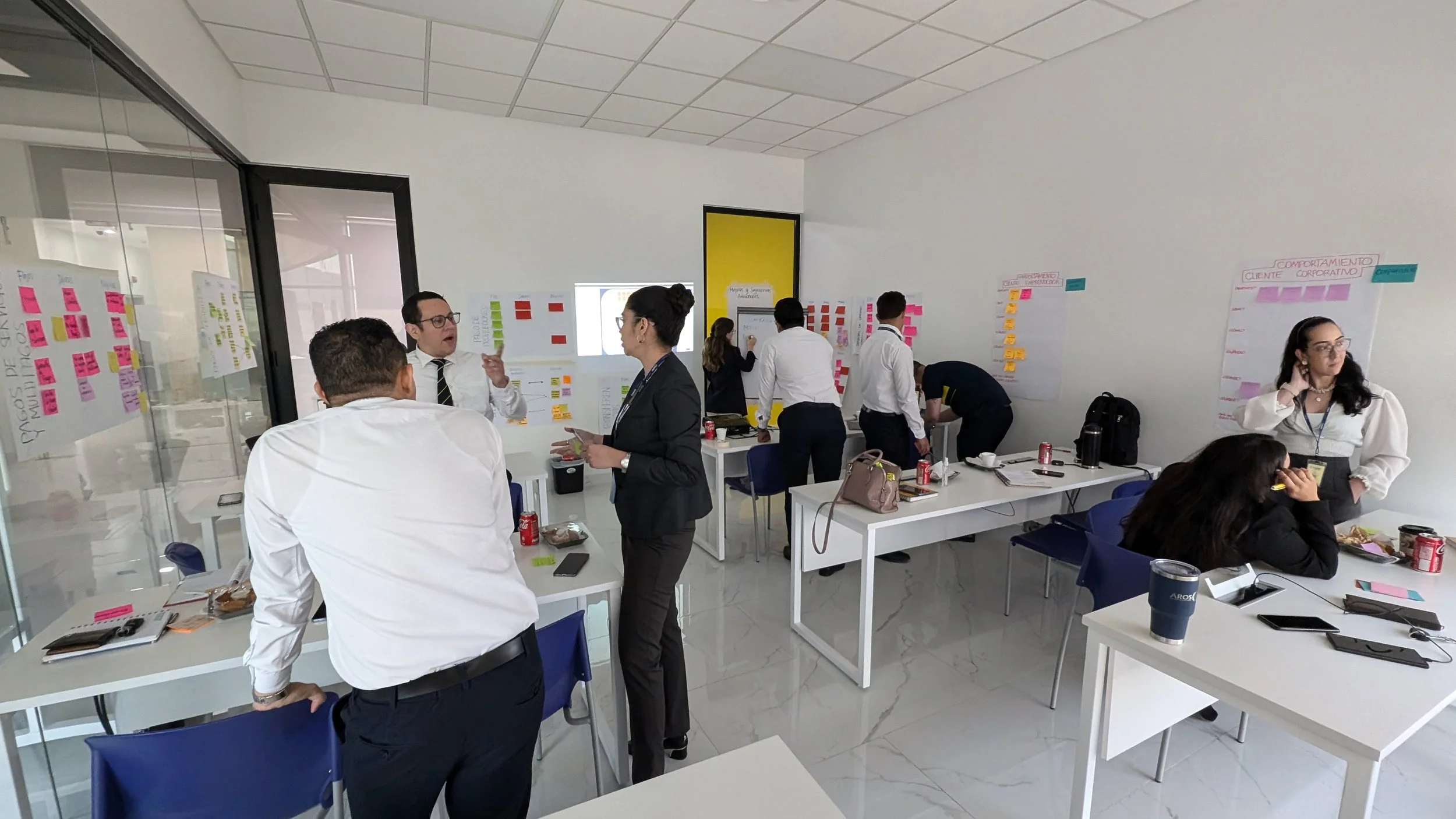
Co-created a flexible design methodology inspired by Design Council's Double Diamond and adapted to the organization's agile practices, providing structured guidance while maintaining adaptability across diverse product challenges
Measuring impact and value
Developed systematic measurement approach tracking collaboration metrics, user satisfaction, task effectiveness, research influence, and design team capability growth to demonstrate value and guide continuous improvement
Impact
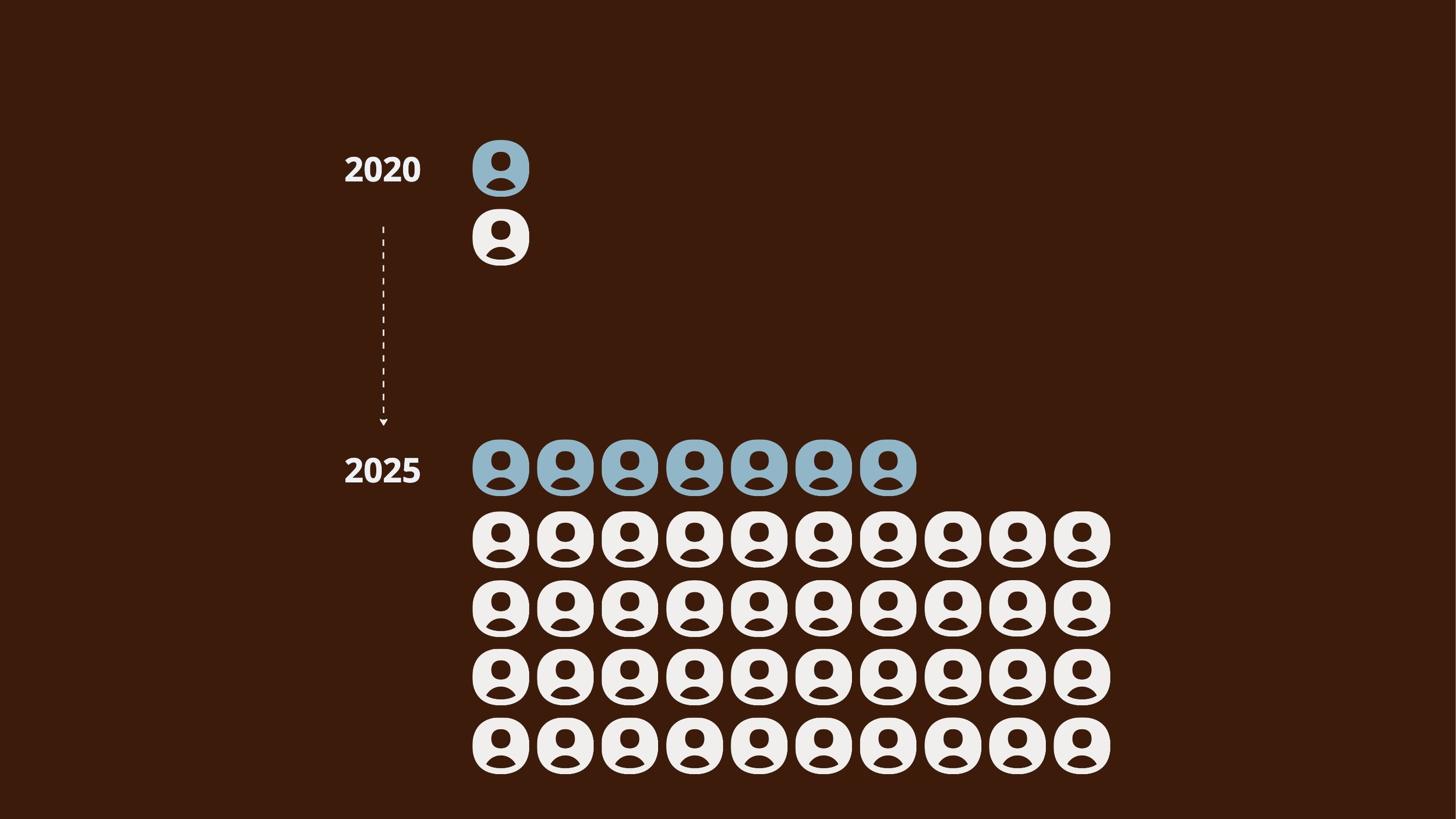
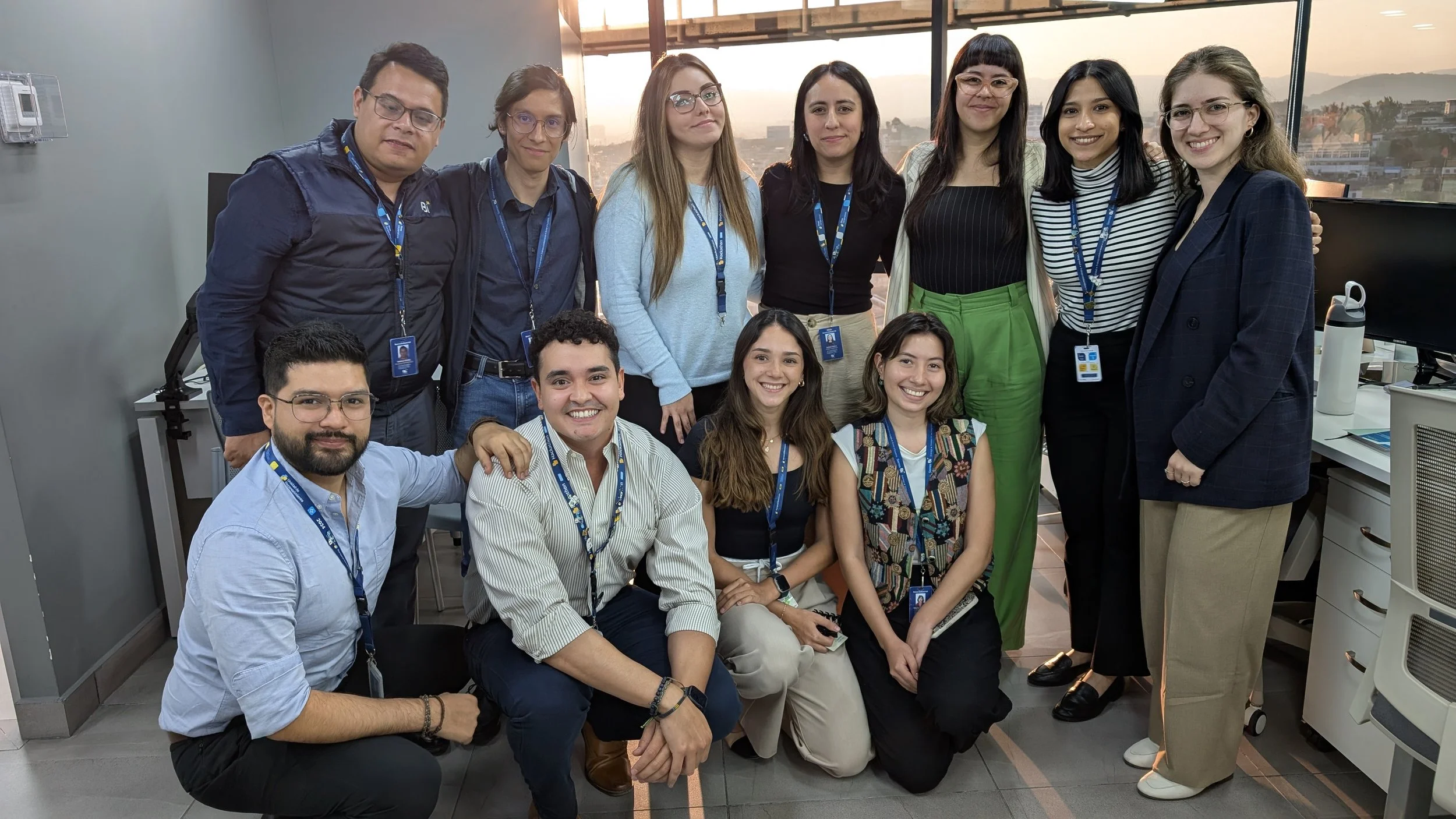
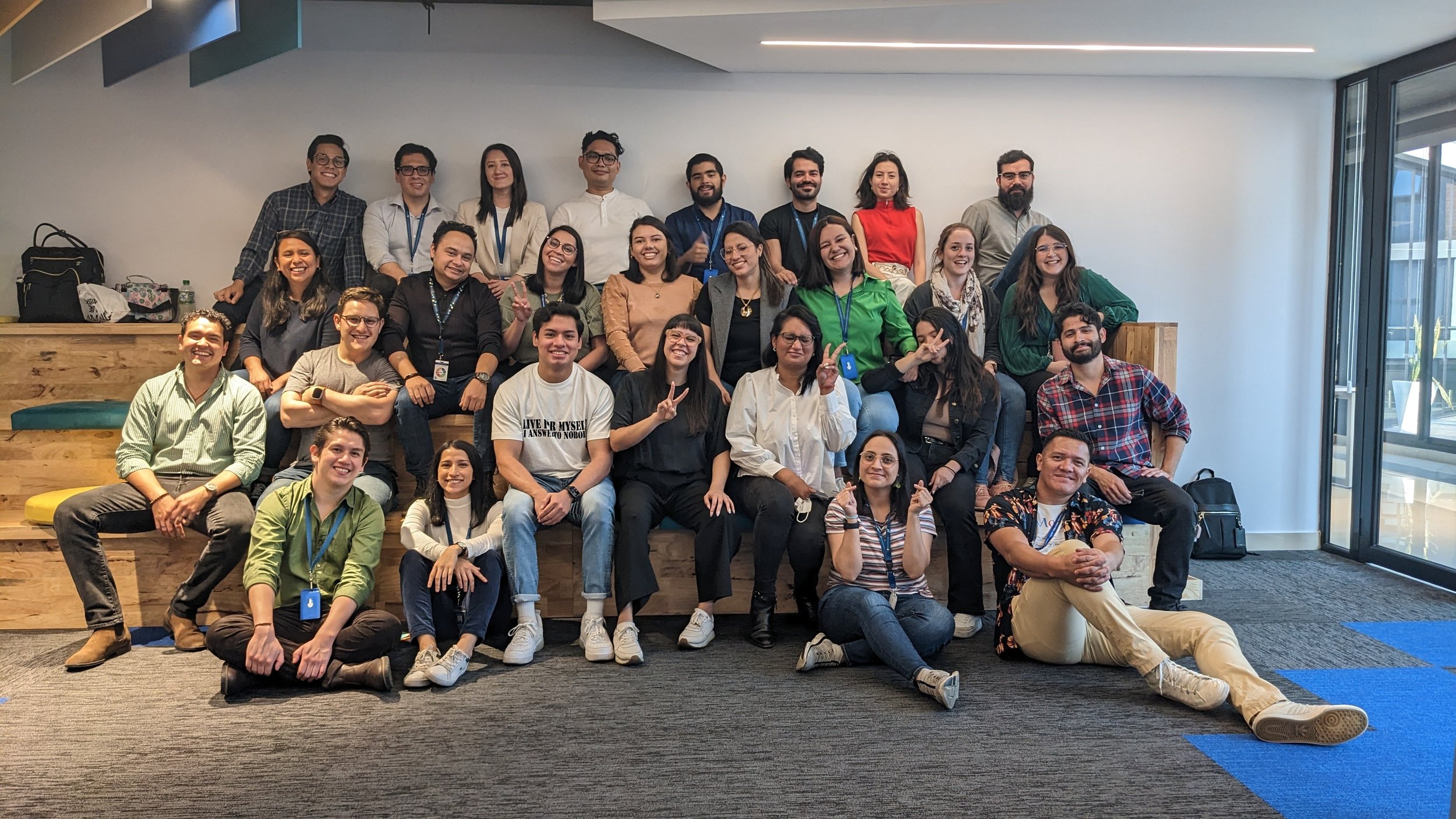
Growth of design team from 2 UX designers to 36 UX designers, 10 UX researchers, and 1 service designer, with systematic capability development across all roles.
A dedicated Research Team (generative, evaluative and explorative) that communicates directly with design teams and decision makers.
Adoption of design methodology across 26 product-focused teams executing 120+ yearly design processes, establishing common language and shared practices across the organization.
Cultural shift from design-as-service to design-as-strategic-partner, with teams gaining autonomy to execute from concept to development while maintaining consistency through shared principles and measurement frameworks.

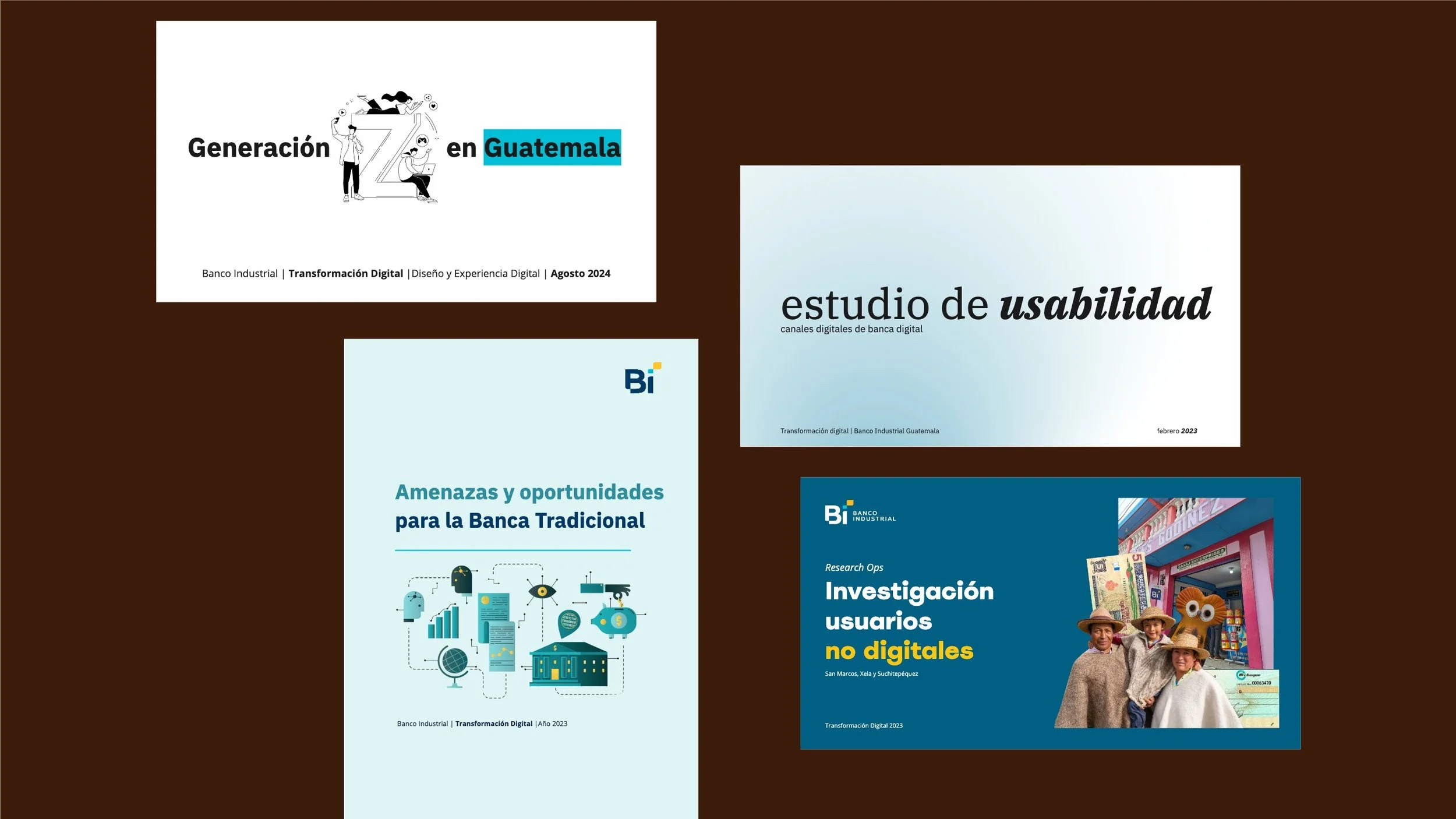
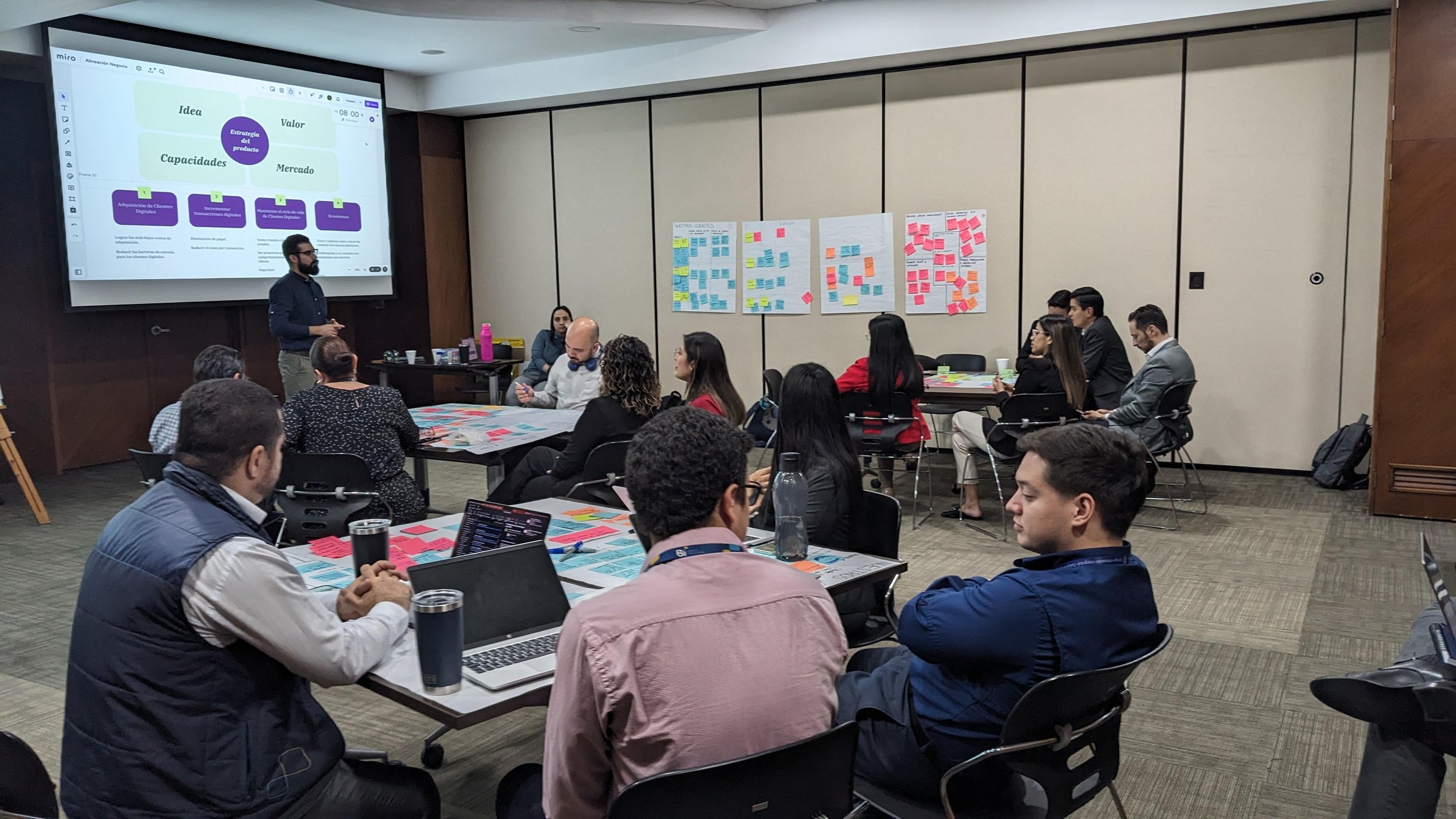
Creation of a centralized insights repository with +60 published research reports (per year), democratizing user knowledge and enabling data-informed decision making across teams.
Pioneering of design metrics model measuring user satisfaction, task efficiency, research reach, and cross-departmental collaboration, providing foundation for continuous optimization and strategic investment decisions